
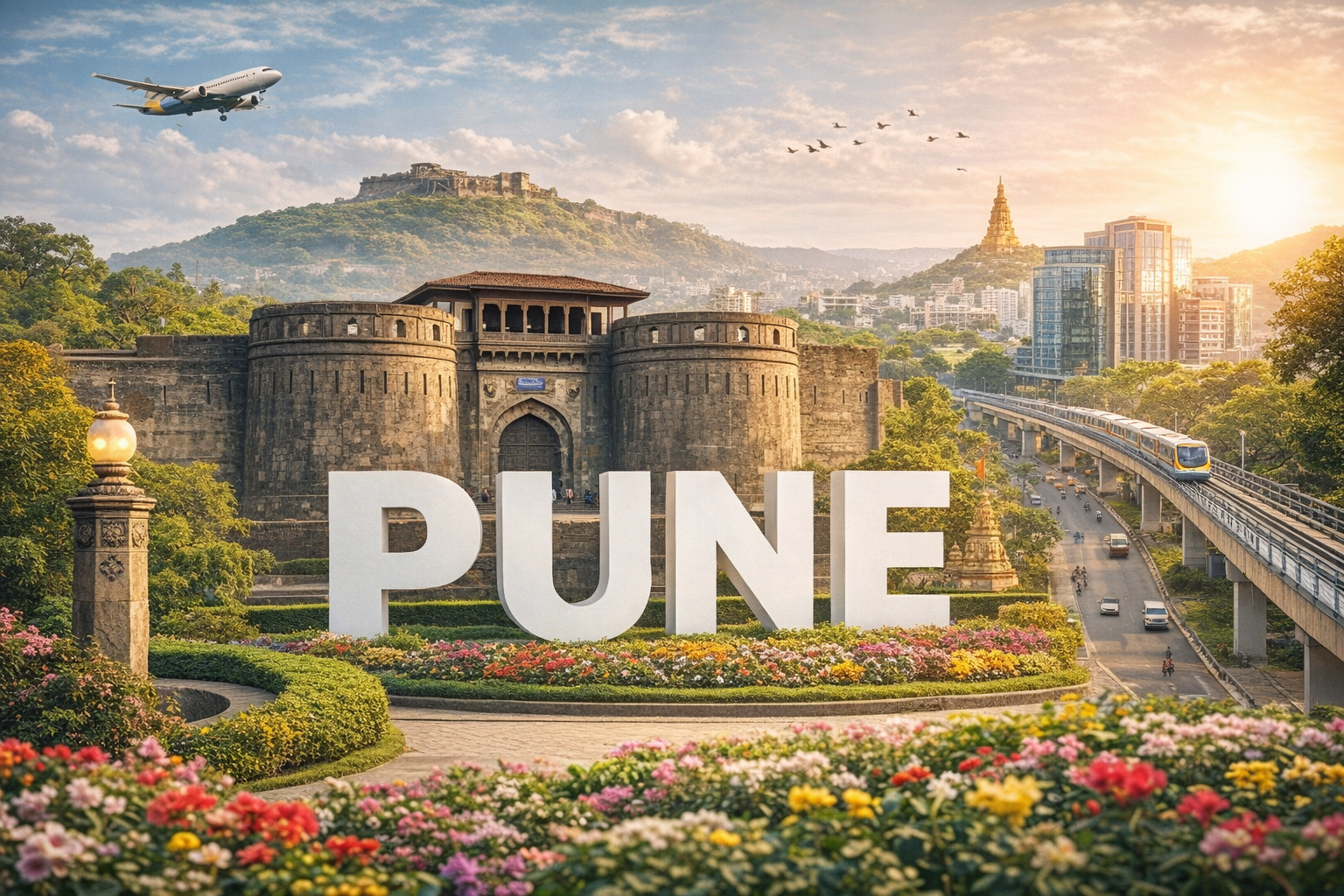
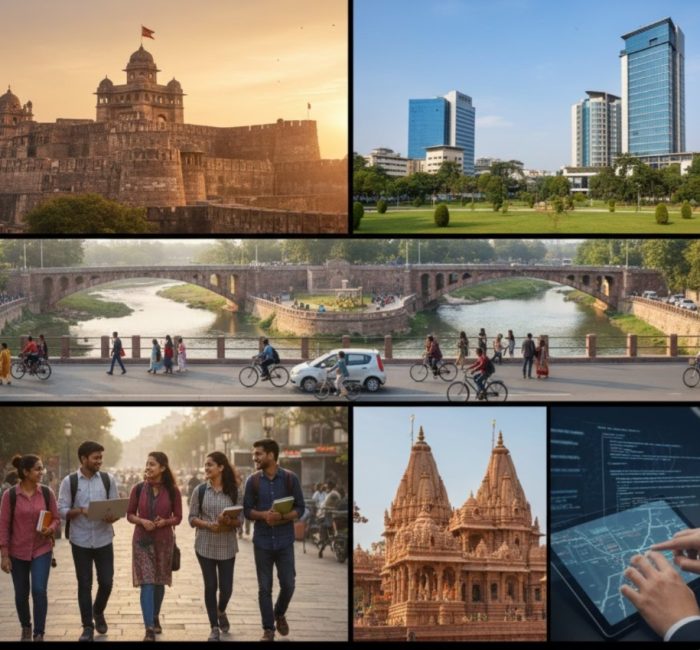
Pune is one of India’s fastest-growing cities and a major cultural, educational, and economic center in the state of Maharashtra. Widely known as the “Oxford of the East,” Pune has earned its reputation through its world-class educational institutions, research centers, and universities that attract students from across India and abroad.
Located near the Sahyadri hills and along the Mula–Mutha rivers, Pune enjoys a pleasant climate and a rich natural landscape. The city beautifully balances modern urban development with historical charm, offering residents and visitors a high quality of life.
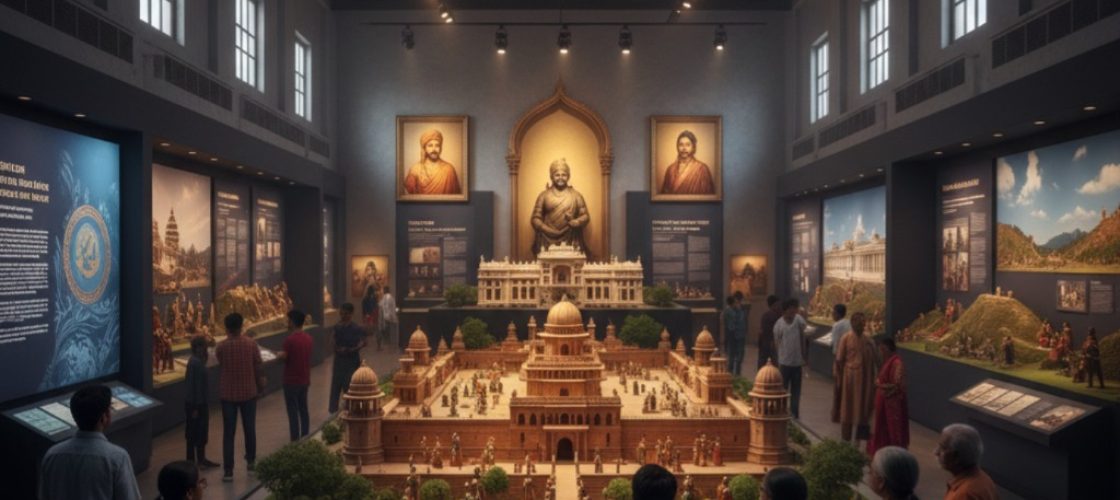
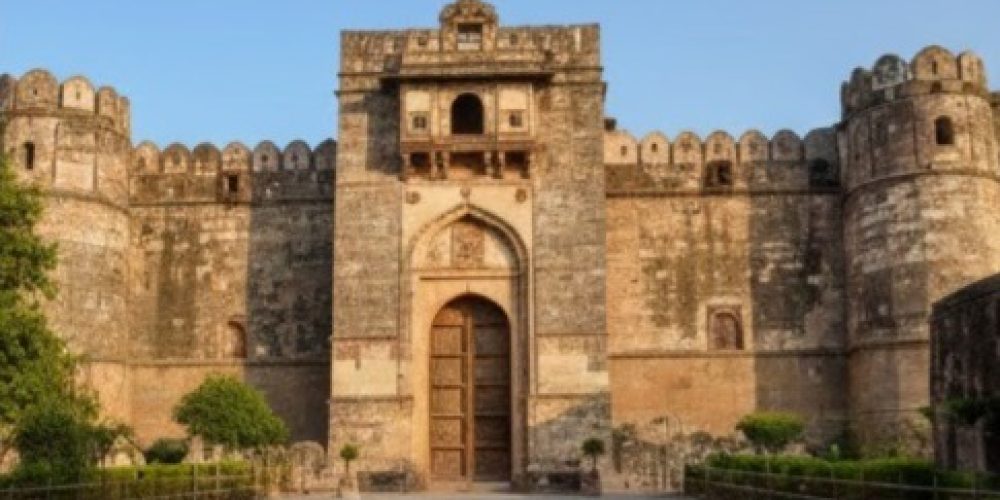
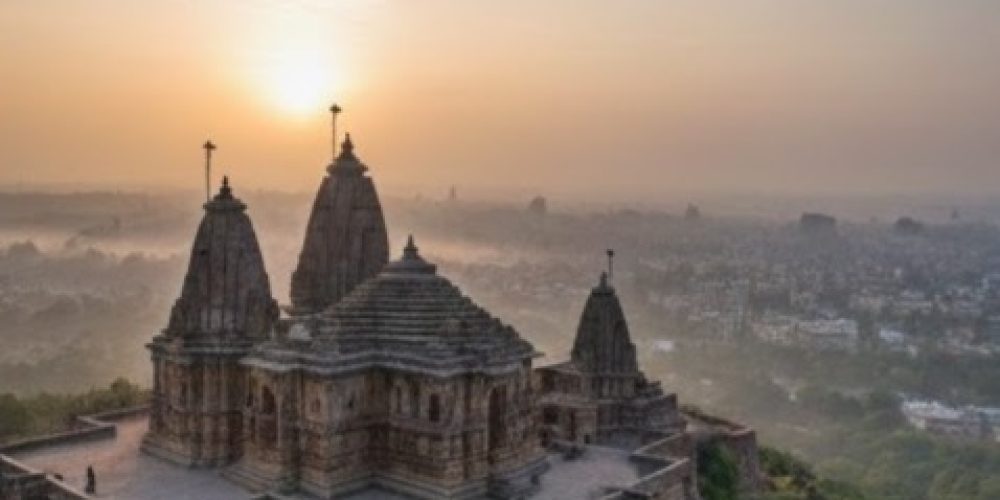
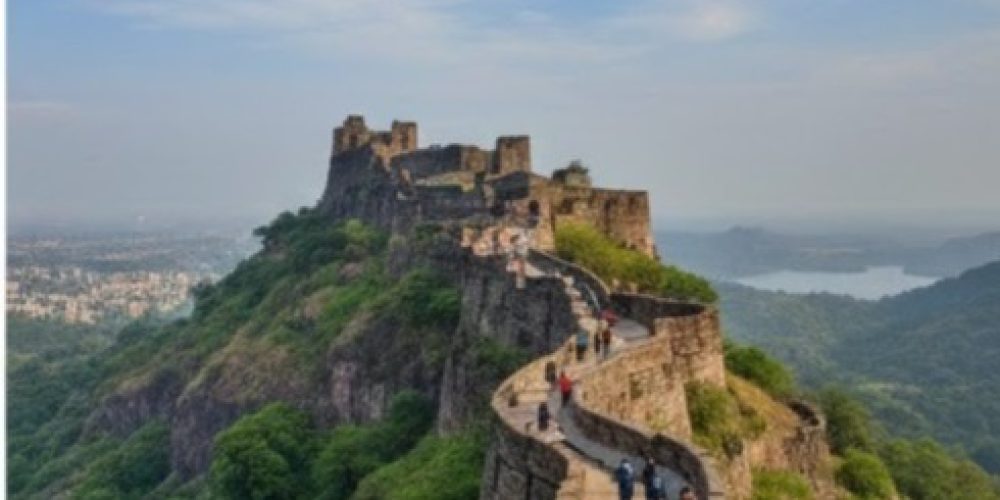
Pune holds immense historical importance as the former seat of the Maratha Empire under Chhatrapati Shivaji Maharaj. The city preserves its legacy through iconic landmarks such as Shaniwar Wada, Aga Khan Palace, Sinhagad Fort, and Pataleshwar Cave Temple. These heritage sites reflect Pune’s deep-rooted traditions and cultural pride.
Today, Pune stands as a leading hub for information technology, automobile manufacturing, startups, and innovation. The city’s robust infrastructure, strong workforce, and progressive outlook have made it a preferred destination for businesses and professionals.
With its rich history, vibrant culture, educational excellence, and modern growth, Pune continues to evolve as a city that honors tradition while embracing the future.
Pune has a rich and glorious history that dates back several centuries and holds a significant place in the cultural and political legacy of India. The city rose to prominence during the reign of the Maratha Empire and served as the seat of the Peshwas, the prime ministers of Chhatrapati Shivaji Maharaj.
Under Maratha rule, Pune flourished as a center of administration, learning, and culture. Iconic historical landmarks such as Shaniwar Wada, once the grand residence of the Peshwas, stand as symbols of Pune’s royal past and architectural brilliance.
Pune also played a vital role in India’s freedom movement. Sites like the Aga Khan Palace bear witness to the nation’s struggle for independence and the sacrifices made by great leaders.
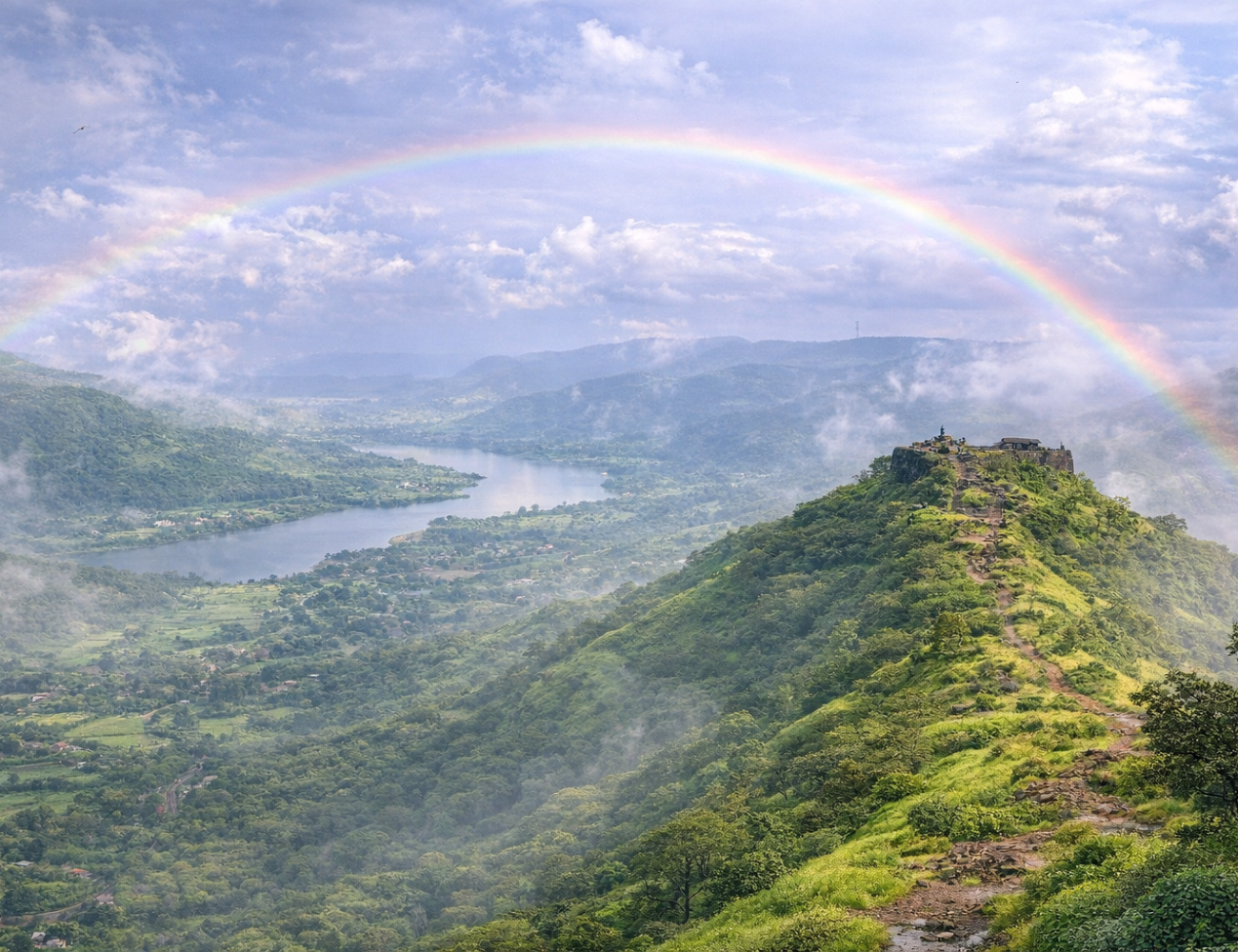
Surrounded by historic forts such as Sinhagad, Rajgad, and Purandar, the region reflects the strategic and military importance of Pune in ancient times. These forts continue to attract history enthusiasts and tourists from across the country.
With its well-preserved monuments, historic streets, and enduring traditions, Pune proudly preserves its heritage while seamlessly blending it with modern urban life.
Pune is one of the most historically rich, culturally vibrant, and rapidly developing cities in the state of Maharashtra. Known as the “Cultural Capital of Maharashtra”, Pune beautifully blends ancient heritage with modern urban life, making it a prominent center for education, industry, and innovation.
Situated on the banks of the Mula and Mutha Rivers, Pune has played a crucial role in Indian history, especially during the Maratha Empire under Chhatrapati Shivaji Maharaj. The city is renowned for its forts, traditional wadas, temples, and historical landmarks that reflect its glorious past.
Today, Pune stands as a major educational and IT hub, home to prestigious universities, research institutions, and multinational companies. With its pleasant climate, thriving cultural scene, growing infrastructure, and youthful energy.
Pune is strategically located in the western part of Maharashtra, on the Deccan Plateau, at an elevation of approximately 560 meters above sea level. The city lies at the foothills of the Sahyadri (Western Ghats) mountain range, which significantly influences its climate, geography, and natural beauty.
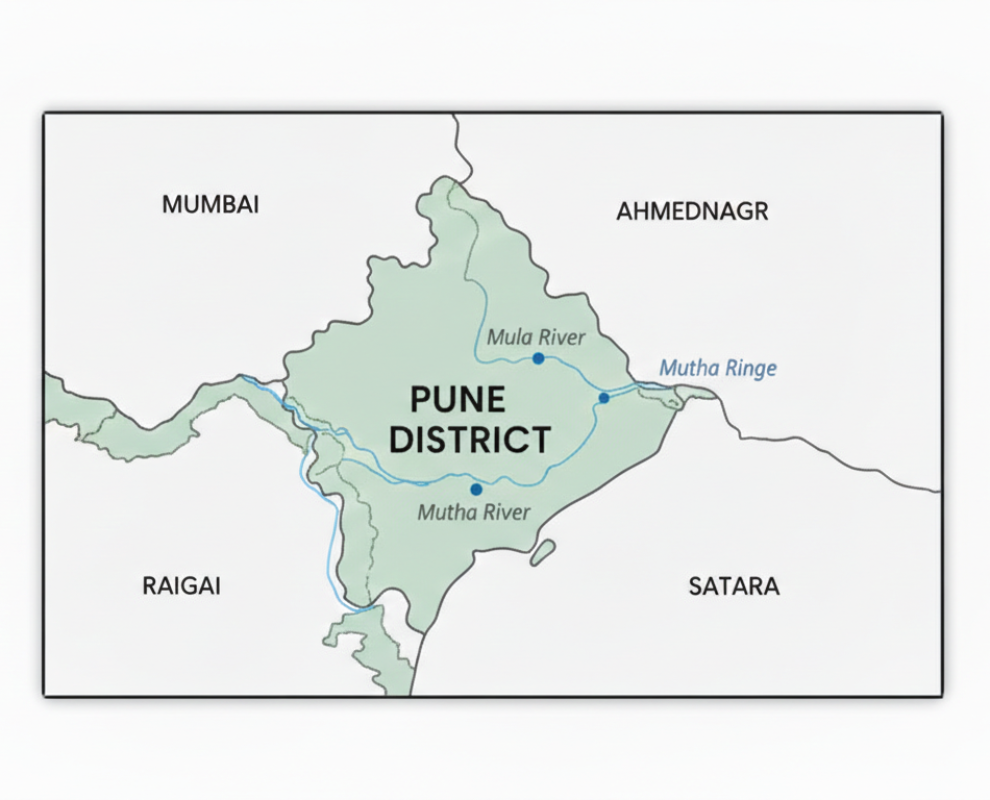
The city is traversed by the Mula and Mutha Rivers, which converge at the heart of Pune and form an important part of its landscape. Surrounded by hills, forts, and green valleys, Pune enjoys a pleasant and moderate climate compared to many other metropolitan cities in India.
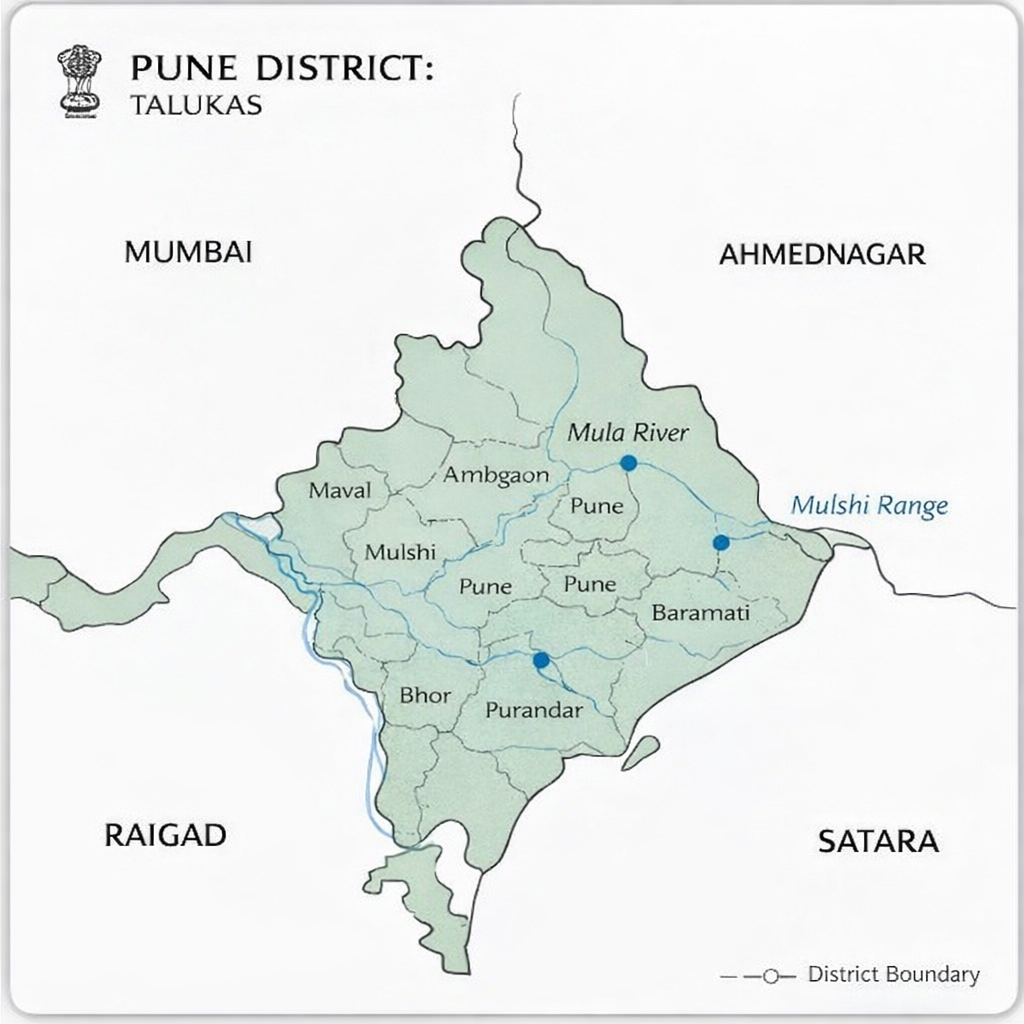
Geographically, Pune serves as a vital link between Mumbai and the rest of the Deccan region. It is well connected by road, rail, and air, making it an important transportation and economic corridor in western India. The district is bordered by Mumbai, Satara, Ahmednagar, and Raigad, enhancing its regional significance.
Pune experiences a moderate and pleasant climate throughout most of the year, making it one of the most comfortable cities in India.
The city has three main seasons:
Summer (March to May)☀️: Warm but relatively mild, with temperatures usually ranging between 25°C and 38°C.
Monsoon (June to September)🌧️: Pune receives moderate rainfall, which rejuvenates its green landscapes, rivers, and surrounding hills.
Winter (October to February)❄️: Cool and pleasant, with temperatures often dropping to 10°C–15°C, making it an ideal season for tourism.
Pune is famously known as the “Oxford of the East”, a city where learning and knowledge thrive. It is home to some of India’s most prestigious institutions, attracting students from across the country and abroad.
Top Institutions in Pune:
Savitribai Phule Pune University – one of India’s oldest and largest universities, known for research and academics.
Symbiosis International University – a hub for global learning and diverse programs.
MIT, Pune – renowned for engineering and technology education.
Numerous other colleges, research centers, and institutes make Pune a vibrant educational hub.
The city’s student culture shapes its lively atmosphere, with libraries, cafes, and events creating an environment of learning, innovation, and creativity.
Pune is a city where tradition meets modernity, creating a vibrant cultural and social life. Known for its rich Marathi heritage, Pune celebrates festivals, arts, and cuisine with great enthusiasm.
Cultural Highlights:
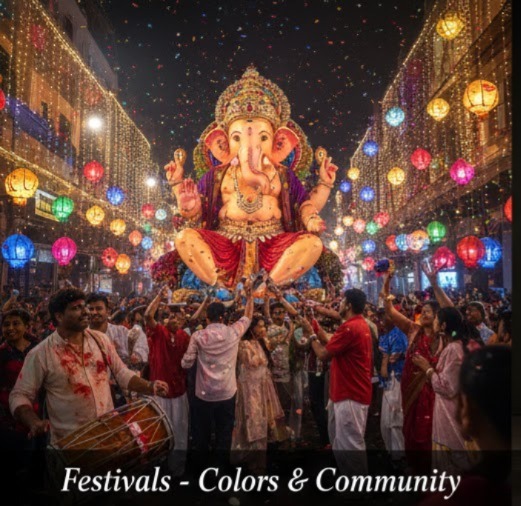
Festivals – Ganesh Chaturthi, Pune Festival, Diwali, and many local fairs bring the city alive with colors, music, and community celebrations.
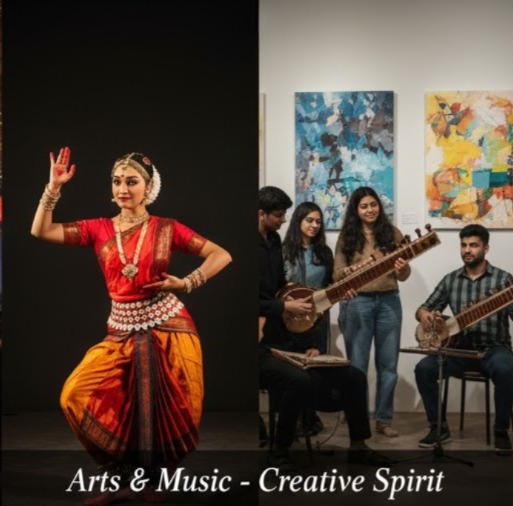
Arts & Music – Pune has a thriving theater scene, classical music performances, and contemporary art exhibitions, reflecting its creative spirit.
Cuisine & Cafes – From traditional Maharashtrian dishes like Misal Pav and Puran Poli to modern cafes and international cuisine, Pune offers something for every palate.
Lifestyle & Recreation – Parks, lakes, and clubs provide spaces for sports, leisure, and social gatherings, giving residents and visitors a balanced urban lifestyle.
Pune’s culture is not just about celebrations; it’s a way of life. The city embraces learning, creativity, and community, making it a dynamic and welcoming place for all who live, work, or visit here.
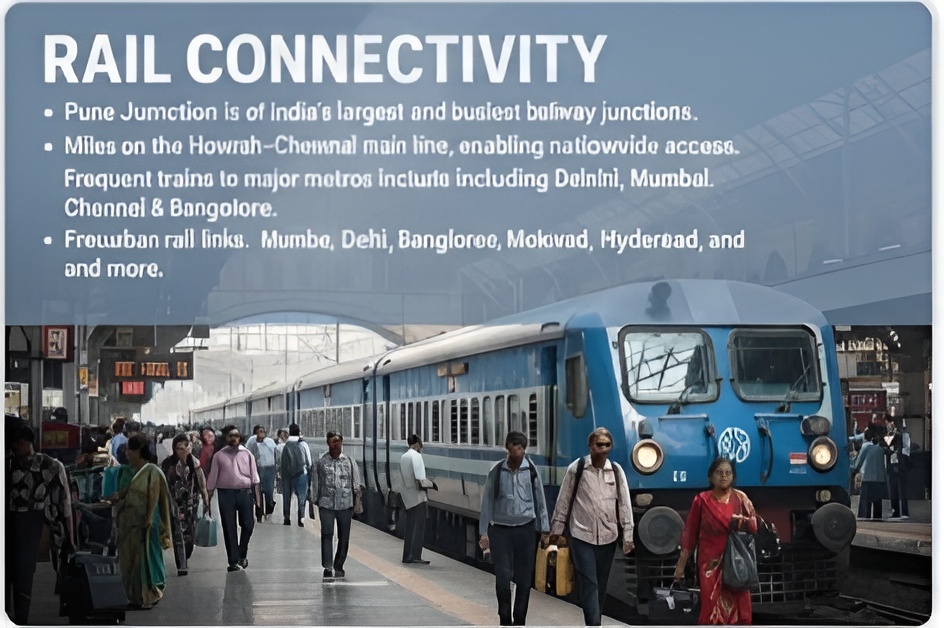
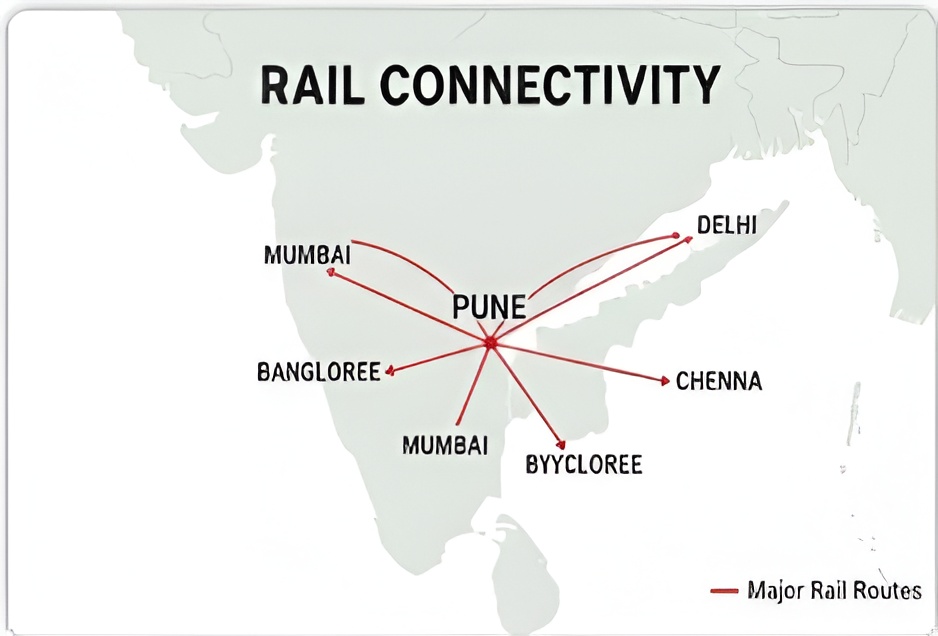
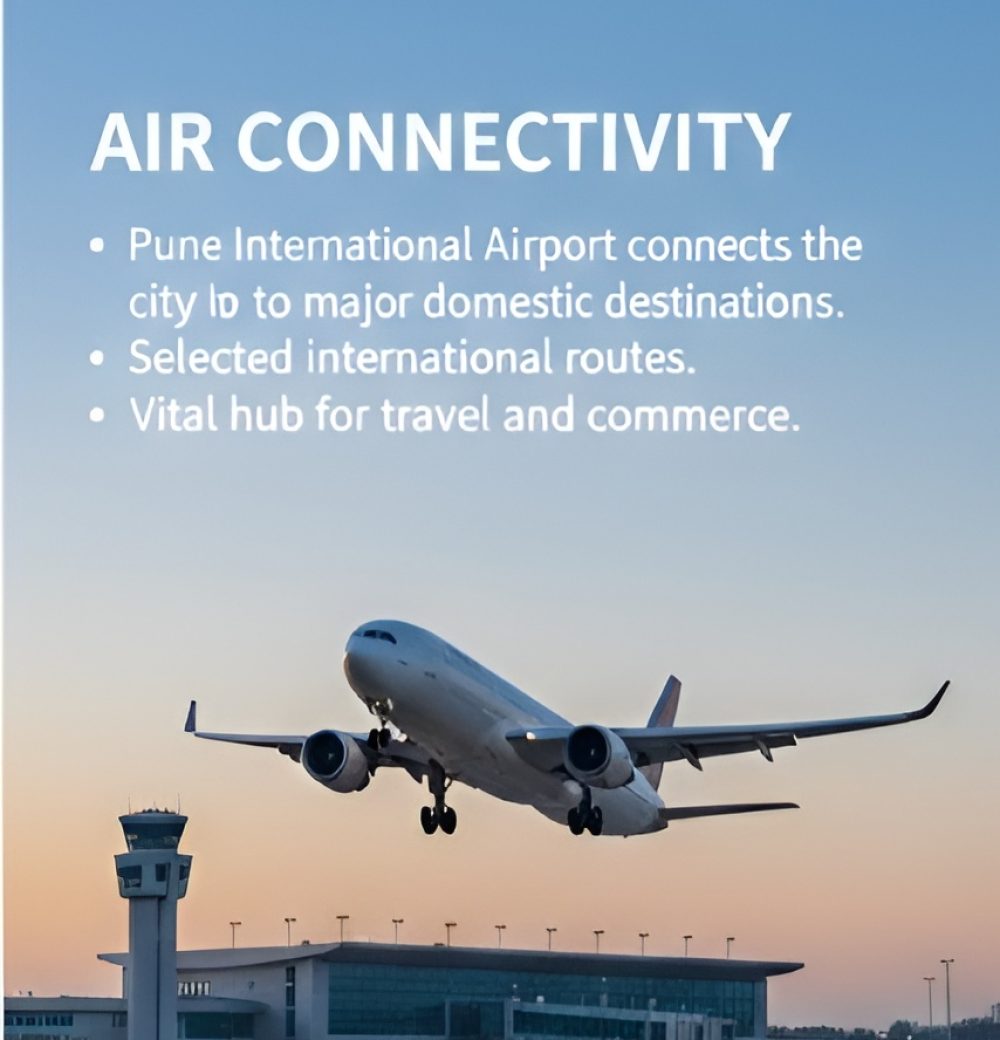
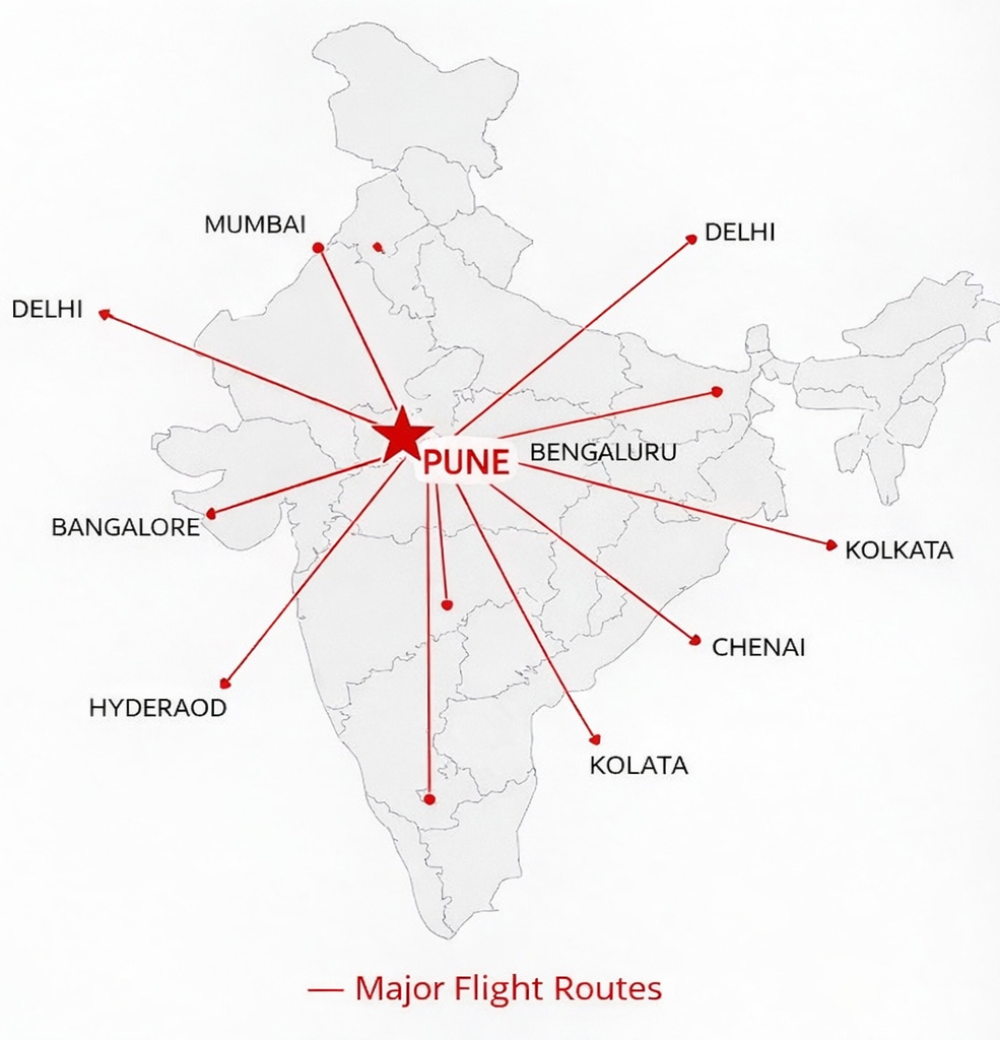
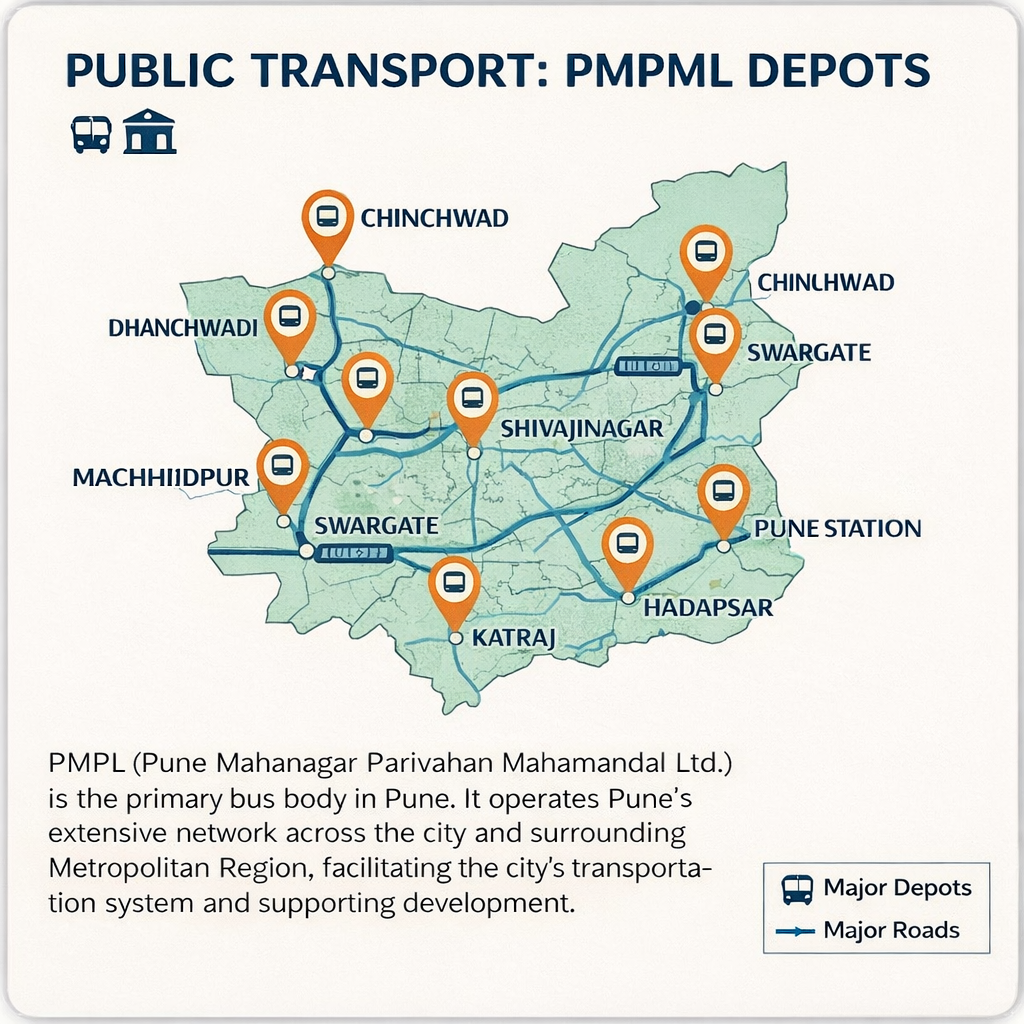
Pune is well-connected by road, rail, and air, making it one of the most accessible cities in Maharashtra. Its strategic location supports smooth travel for residents, businesses, and tourists.