
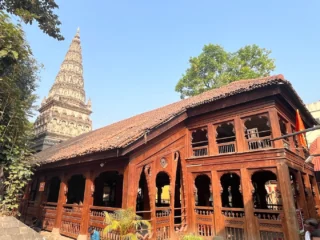
Tulshibaug Shri Ram temple
Tulshibaug Shri Ram Temple is a revered Hindu temple located in the heart of old Pune, within the bustling Tulshibaug area. Dedicated to Lord Rama, the temple is an important spiritual landmark surrounded by one of the city’s oldest and most vibrant marketplaces. Believed to have been established during the Peshwa period, the temple reflects traditional Maharashtrian architecture with a simple yet sacred ambience. Along with Lord Rama, devotees also worship Goddess Sita, Lord Lakshmana, and Lord Hanuman, making it a complete Ram Parivar shrine. Despite the busy commercial surroundings, the temple offers a calm and devotional atmosphere. It is especially crowded during Ram Navami, Hanuman Jayanti, and other major Hindu festivals, when devotees gather in large numbers to seek blessings. The temple holds a special place in the daily spiritual life of local residents and traders, who often begin their day with prayers here before heading into the Tulshibaug market. Highlights Ancient Ram temple in old Pune Located in the historic Tulshibaug market area Associated with the Peshwa-era heritage Worship of Ram Parivar and Lord Hanuman Major gatherings during Ram Navami and festivals
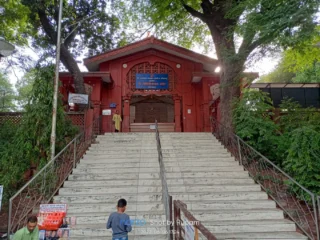
Shri Siddhivinayak Ganesh Temple Sarasbagh
Shri Siddhivinayak Ganesh Temple, popularly known as Sarasbaug Ganpati, is one of the most revered and iconic Ganesh temples in Pune. Located inside the historic Sarasbaug, the temple is a major spiritual and cultural landmark of the city. The temple was built in the 18th century during the Peshwa period, when Sarasbaug was developed as a beautiful lake-garden complex. At the heart of this garden stands the Siddhivinayak temple, dedicated to Lord Ganesha, the remover of obstacles and the giver of wisdom and prosperity. The idol of Lord Ganesha here is believed to be “Siddhi-pradayak”—one who fulfills devotees’ wishes. The serene surroundings of the garden combined with the spiritual aura of the temple make it a peaceful place for prayer and meditation, even though it is located in the heart of the city. Thousands of devotees visit the temple daily, with special crowds on Tuesdays, Ganesh Chaturthi, Sankashti Chaturthi, and during Ganeshotsav. The temple holds deep emotional significance for Punekars and is considered one of the city’s most important Ganesh shrines. Highlights One of the most famous Ganesh temples in Pune Located within the historic Sarasbaug garden Built during the Peshwa era Strong belief in wish-fulfillment (Siddhivinayak) Major attraction during Ganesh Chaturthi and festivals
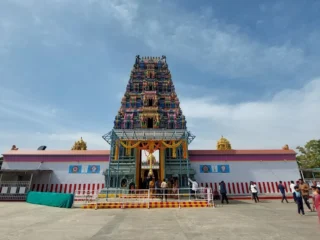
Shree Balaji Temple, Pune (Prati Balaji)
Balaji Temple of Ketkawle, is copy of the original Tirumala Venkateswara Temple located 60 km from Pune, Maharashtra. It is on Pune-Bangalore highway. History This temple is a replica of the original Tirupati Temple located in Tirumala. Everything is perfect copy of the idol, Sanctorum, wood work, priests are abode of the Lord Venkateswara at Tirumala. The Venkateshwara charitable trust built the temple from 1996 to 2003. Created by the V H Group spending 27 Crore Rs. Infrastructure and architecture The temple was built as a replica of the Tirumala Venkateswara Temple at Tirupati. It follows the style of traditional South Indian temple architecture. The main tower (gopuram) and sanctum are designed and looks similar to the original temple. The main idol of Lord Venkateswara is made of black granite and is about 9 feet tall, while the temple tower is around 30 feet high. The complex also has smaller shrines for other deities. The temple layout is planned to help visitors move easily and includes facilities to support religious activities.
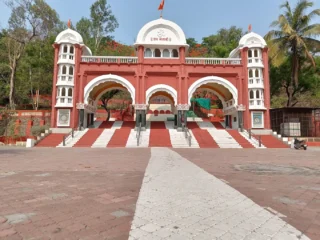
Shri Chatushrungi Devi Temple
The Chattushringi Temple also spelt as Chattushrungi Temple is a Hindu temple in the city of Pune in Maharashtra state of India.The temple is located on the slope of a hill on Senapati Bapat Road.It is said to have been built during the reign of the Maratha king Shivaji. The temple is looked after by Chattushringi Devasthan (Temple) trustees. Chattushringi (Chattu means four) is a mountain with four peaks. The Chattushringi temple is 90 feet (27 m) high and 125 feet (38 m) wide and is a symbol of power and faith. One has to climb more than 200 steps to reach the shrine of Goddess Chattushringi. In the temple premises there are also temples of Goddess Durga and Lord Ganesh. This includes eight miniature idols of Ashtavinayaka. These small temples are located on the four separate hillocks. Legend The legend associated with the temple is that, once there was a rich and prosperous merchant named Durlabhsheth Pitambardas Mahajan who was an ardent believer of Goddess Saptashrungi Devi and visited Vani every now and then. But as he grew older, he could no longer travel and this hindered him from visiting the temple and it bought him sorrow in his heart, he prayed Saptashrungi Devi with tears and then one night the Goddess Saptashrungi Devi appeared in his dream and told him, “if you can not come to me, I will come to you & stay near you.” She told him to come to a mountain situated in the North-West of Pune & dig there. The place as described by the goddess was traced out and a miracle happened as he found a natural statue of the goddess (swayambhu devi). He constructed the temple at that place and this is the same temple which was renovated from time to time, which is the present temple. Deity The presiding deity of the temple is Goddess Chattushringi, also known as Goddess Ambareshwari. She is also considered as the presiding deity of the city of Pune. The temple is maintained by the Chattushringi Devasthan Trust. Every year a fair is held at the foothills on the eve of Navratri. Thousands of people gather to worship the Goddess Chattushringi.
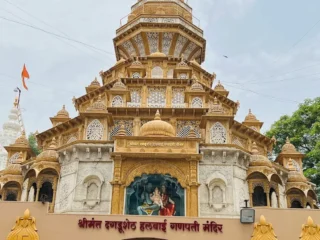
Shrimant Dagdusheth Halwai Ganpati Mandir
The Dagadusheth Halwai Ganapati Temple is a Hindu temple dedicated to the Hindu god Ganesha (Ganapati) in the city of Pune, India. The temple is visited by over one hundred thousand devotees every year.A large number of devotees visit the temple during the annual ten-day public Ganeshotsav festival. The main Ganesha idol is insured for a sum of ₹10 million (US$120,000).It celebrated 132 years of its Ganeshotsav festival in 2024. History Dagadusheth Halwai was a successful sweet seller (Halwai) and a rich businessman in the city of Pune in the late 1800s. His original halwai shop still exists under the name “Dagdusheth Halwai Sweets” near Datta Mandir in Pune. In the late 1800s, he and his wife Laxmibai lost their only son in a plague epidemic. The grieving couple followed the advice of a sage to build a Ganesh temple in Pune in his memory.Later, Dagdusheth adopted, his nephew Govindsheth (born 1865) who was 9 years old at the time of his death. Govindsheth replaced the first Ganesh idol by a new one, with the first one still being present at Akra Maruti Chowk. A generous man, he established an additional Ganesh idol in a wrestling gym called Jagoba Dada Talim. This talim was owned by Dagdusheth as he was also a former wrestling trainer. One of the chowk (square) in Pune is named Govind Halwai Chowk, after him. Along with his mother, Govindsheth handled all the programmes like Ganesh Utsav, Datta Jayanti and other festivities. The residence where they resided is now known as Laxmibai Dagdusheth Halwai Sansthan Datta Mandir Trust. Laxmi Road in Pune is named after Laxmibai Dagdusheth halwai. Govindsheth died in 1943. His son Dattatray Govindsheth Halwai, born in 1926, was the one who established the third Ganesh idol replacing the second.This idol, known as Navasacha Ganpati, is the one that is present today in the Dagdusheth temple. It proved to be an epoch-making event in Indian history.The temples’s Ganeshotsav pandal was not put up for the first time in 128 years, in 2020 due to the COVID-19 pandemic.
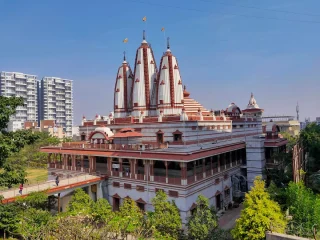
ISKCON NVCC
ISKCON NVCC in Pune is a grand spiritual and cultural center dedicated to Lord Krishna, located in Kondhwa. Built by the International Society for Krishna Consciousness (ISKCON), this temple is a blend of modern design and traditional Vedic architecture, creating a peaceful and divine atmosphere for devotees. The main shrine houses beautiful deities of Sri Sri Radha Vrindavanchandra, attracting thousands of visitors daily. The campus also includes meditation halls, a Vedic museum, an auditorium, and well-maintained gardens. ISKCON NVCC is not only a place of worship but also a hub for spiritual learning, youth programs, cultural events, and community service. Devotees gather here for kirtans, Bhagavad Gita classes, and major festivals like Janmashtami, Gaura Purnima, and Radhashtami, celebrated with great devotion and joy. Highlights: Majestic Krishna temple in Pune Serene spiritual and cultural campus Daily kirtans and Gita discourses Grand celebrations during Janmashtami Center for peace, devotion, and Vedic wisdom
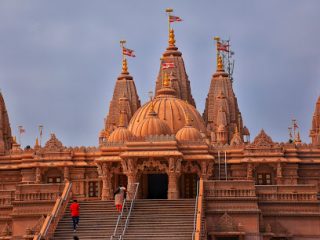
BAPS Shri Swaminarayan Temple
BAPS Shri Swaminarayan Temple is a magnificent spiritual and cultural landmark dedicated to Bhagwan Swaminarayan. Built by the Bochasanwasi Akshar Purushottam Swaminarayan Sanstha (BAPS), these temples are known for their breathtaking architecture, intricate stone carvings, and serene atmosphere. Constructed using traditional Indian craftsmanship, the temple showcases hand-carved marble and sandstone, reflecting ancient Vedic art and values. It serves not only as a place of worship but also as a center for spiritual learning, cultural activities, and community service. Devotees visit to experience peace, devotion, and inner harmony. The temple promotes values such as faith, discipline, unity, and selfless service, making it a sacred space for people of all ages. Highlights: Stunning traditional stone architecture Peaceful and well-maintained spiritual campus Center for worship, culture, and learning Promotes values of devotion and service Open to people from all walks of life
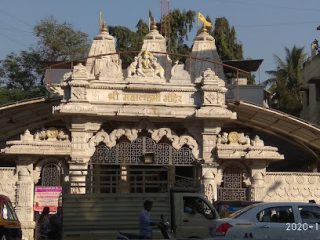
Shri Mahalaxmi Mandir
Shri Mahalaxmi Mandir, also known as Ambabai Temple, is one of the most powerful and ancient Shakti Peethas in India. Dedicated to Goddess Mahalaxmi—the divine embodiment of wealth, strength, and prosperity—the temple stands on the banks of the Panchganga River in Kolhapur. Believed to be built in the 7th century, this sacred shrine holds immense spiritual significance. The idol of Goddess Mahalaxmi is carved from black stone and uniquely adorned with jewels and a crown. The temple is renowned for the rare phenomenon where the sun’s rays fall directly on the deity during specific days of the year. Devotees from across the country visit this temple to seek blessings for prosperity, protection, and success. Festivals like Navratri, Kirnotsav, and Lalita Panchami are celebrated here with great devotion and grandeur. Highlights: One of the revered Shakti Peethas of India Ancient temple with rich spiritual heritage Unique sunlight alignment on the deity Major pilgrimage center in Maharashtra Grand celebrations during Navratri and Kirnotsav
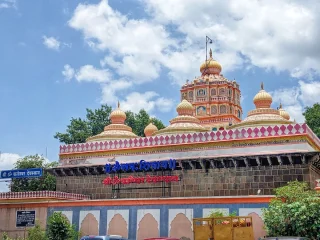
Shree Omkareshwar Temple
Shree Omkareshwar Temple is one of the oldest and most revered Shiva temples in Pune, located in the historic Shaniwar Peth area. Built in the 18th century during the Peshwa era, this sacred shrine is dedicated to Lord Shiva in the form of Omkareshwar, symbolizing the divine sound “Om”. The temple is known for its traditional Hemadpanthi-style architecture with a spacious courtyard, stone pillars, and a serene sanctum housing the Shivling. It holds great cultural and spiritual importance in Pune and is closely associated with the Maratha history. Devotees gather here in large numbers during Mahashivratri, Shravan month, and on Mondays to seek blessings for peace, strength, and prosperity. Highlights: Historic Shiva temple from the Peshwa period Located in the heart of old Pune Traditional stone architecture Major center of worship during Mahashivratri Peaceful spiritual atmosphere amidst the city
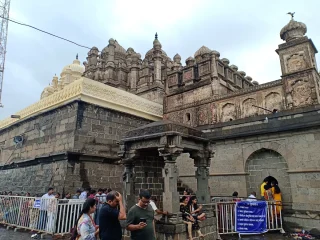
Bhuleshwar Temple
Bhuleshwar Temple is a 13th-century hilltop shrine dedicated to Lord Shiva, located near Yavat, about 50 km from Pune. Built during the Yadava dynasty, it stands on a scenic hill surrounded by grasslands, offering peaceful views and a spiritual atmosphere. The temple is known for its unique blend of Hindu and Islamic architectural elements, seen in its carvings and arches. Inside, the sanctum houses a Shivling, and one rare feature is the idol of Lord Ganesha seated in a female form, symbolizing Shakti. Local belief says that Goddess Parvati performed penance here and Lord Shiva appeared, making it a sacred site associated with their divine union. Devotees visit especially during Mahashivratri and Shravan month. Highlights: Ancient hilltop Shiva temple Unique Indo-Islamic carvings Rare Ganesh idol in feminine form Peaceful location with panoramic views Major pilgrimage spot during festivals